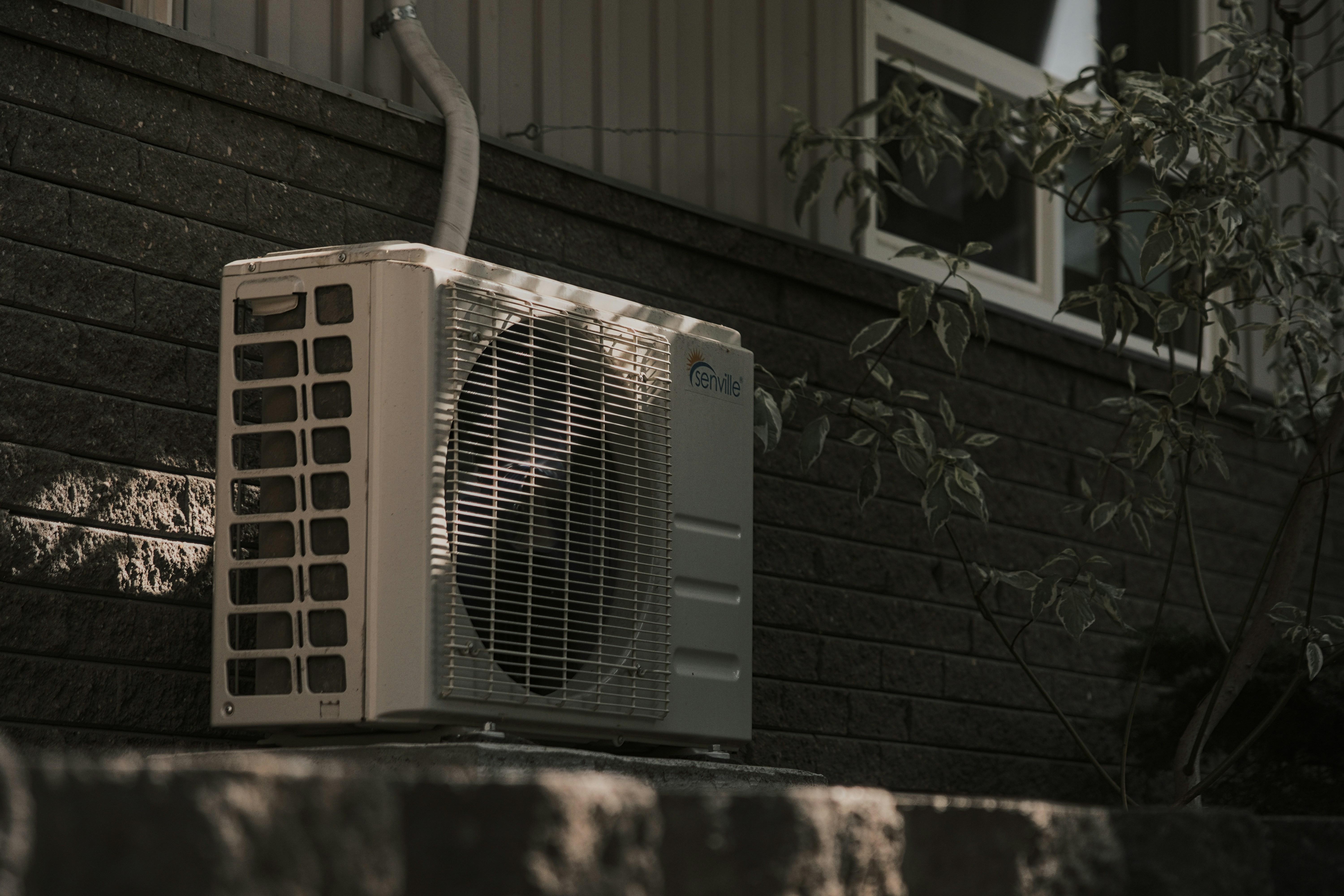
HVAC has become one of the most sought-after businesses to buy in America, and for reasons that go beyond the current hype. Heating and cooling is essential, non-discretionary, and recession-resistant, because people need it in good times and bad. It requires licensed technicians, which builds a moat around whoever owns the relationships and the crew. And a generation of owners who built these businesses over decades is reaching retirement with no succession plan. That combination is why private equity has poured into the sector, and why, if you want to buy one, you're competing.
If you're considering an HVAC acquisition, here's what actually matters before you sign.
The same qualities that make HVAC a great business to own make it a competitive one to buy. Recurring service demand, licensure that keeps out easy competition, and steady cash flow have made it a favorite of both individual buyers and PE roll-ups. Private-equity firms are aggressively consolidating home-services trades, and HVAC sits at the center of that wave.
For you, that means two things. First, you're often bidding against sophisticated, well-capitalized buyers, which pushes prices up. Second, and this is the opportunity, the very biggest and cleanest businesses are what PE wants, which leaves a large field of smaller owner-operated shops that are too small for institutional buyers but perfect for an individual acquirer. Your edge isn't outbidding a fund. It's finding the good business that's below their radar.
Valuation spans a wide range depending on size and buyer. A smaller, owner-operated HVAC business typically trades on Seller's Discretionary Earnings (SDE), often in the neighborhood of 2.5x to 3.5x SDE, with roughly 2.9x a common Main Street figure. Larger, team-run businesses with clean books and real management trade on EBITDA, and in a private-equity roll-up context the same kind of business can command something closer to 8x EBITDA, with the strongest platforms reaching even higher.
That enormous gap, from about 3x SDE to about 8x EBITDA, is the single most important thing to understand about HVAC valuation. It's driven by size, recurring revenue, and whether the business runs without the owner. A shop that depends entirely on the founder swinging a wrench earns a small SDE multiple. A business with service contracts, a trained crew, and a manager in place is a fundamentally different and much more valuable asset.
Every acquisition needs financial diligence, but HVAC has specific risk points worth pressure-testing:
Recurring vs. one-time revenue. The gold in an HVAC business is its service agreements and maintenance contracts, the recurring, predictable revenue that renews. A business that's mostly one-off installation and repair jobs is worth less and is riskier than one with a strong base of maintenance plans. Ask what percentage of revenue is recurring, and verify it.
The technicians. This is a licensed trade, and the value walks out the door on two legs. Who holds the licenses? If it's only the owner, you have a problem the day they leave. How tenured is the crew, and will they stay? Technician retention is arguably your biggest post-close risk. In a tight labor market, losing your senior techs can cripple the business.
Customer concentration. Is revenue spread across many residential and commercial accounts, or dependent on a few big contracts? Concentration cuts the multiple and raises the risk.
Equipment, fleet, and deferred maintenance. HVAC is asset-heavy. Aging trucks and worn equipment are real costs a new owner inherits, and they should be reflected in the price.
Seasonality and cash flow. Demand swings with the weather. Understand the seasonal rhythm so you're not caught short on working capital in a slow quarter.
HVAC's steady cash flow makes it attractive to acquisition lenders, and SBA 7(a) loans are a common path for buyers in this range. Recent SBA changes have expanded what's possible. The cumulative loan limit doubled to $10 million in 2026, which puts larger HVAC deals within reach of individual buyers who previously would have been capped out. As always, lenders will want to see clean, verifiable earnings, so the quality of the seller's books directly affects whether and how the deal gets financed.
The buyers who succeed in HVAC don't try to outbid private equity for the trophy asset. They run proprietary search to find the solid, unglamorous owner-operated business that isn't publicly for sale, they pay a fair Main Street multiple, and then they build it into the more valuable, less owner-dependent business that commands the higher EBITDA multiple by adding service contracts, retaining and growing the crew, and putting management in place. That's how you buy at 3x and own something worth far more.
That transformation is an execution challenge, not a buying one, and it's where most first-time owners need help: retaining technicians, building recurring revenue, professionalizing the operation. Five Experts organizes the experts for exactly that work, from the sourcing and diligence up front to the operators and fractional executives who help you build value after close.
HVAC is a genuinely great business to own. Just go in knowing what you're competing with, what you're really buying, and what it takes to turn a good shop into a valuable company.